Monday, October 3, 2022

The 4 E's for New School Leaders


I'm a huge fan of most reality TV, and I especially love watching singing and talent competitions. The Voice has some incredible talent on it this season, and I was excited to have the return of Gwen Stefani as a coach. (Where are my No Doubt fans?!!?)

There's a line I've heard Gwen say several times that also resonates with me and where I am in my journey as a former high school teacher (12 years) and administrator (15 years), and now current doctoral student, leadership consultant, and facilitator at a non-profit organization. 

Several times, when pitching herself to be someone's coach, Gwen has said (and I paraphrase)

I’ve been around for a long, long time. I would just love to be your coach. I've lived my dream, and this is my time in my life to give back to somebody like you that has a dream. I’m ready to do it.

Todays' post is for the new leaders. The ones who are learning by doing. The ones who may need a boost, some support, a fresh idea, or a clear plan. I share blog posts based on my personal experiences of successes and failures as well as what I've learned through connections with other educators and leaders across the country. 

The list is not all-inclusive, and other seasoned leaders may have a different list. The point is not to determine "who has the perfect list." The point is that we can learn from others who have walked the path before us. My hope is that a new leader will have at least one take-away from this post and be able to use it for their personal and professional growth. 


Encourage

According to Merriam-Webster, the prefix "en-" means 

1. put into or onto

2. cause to be

3. provide with

"Providing with courage" or "Cause to be courageous" starts with having an encouraging mindset. When we trust others and choose to see the good in them, providing encouraging words and gestures come easily. Handwritten notes of affirmation and gratitude as well as celebrations of success are two ways to provide encouragement to others. Encouragement will go a long way toward building community and a positive culture. As a new leaders, it can be easy to forget to encourage yourself at times. While most people are familiar with a gratitude journal, new leaders may find that an Encouragement Journal is helpful during the first few years of being in a leadership position. Including phrases, quotes, and reflections will add up to a powerful tool in fighting against imposter syndrome or other challenges faced by leaders.


Related post  |  Let's Celebrate Teachers of the Moment


Empathize


Brene Brown, a leading researcher, says the following about empathy:
Empathy is connecting with people so we know we’re not alone when we’re in struggle. Empathy is a way to connect to the emotion another person is experiencing; it doesn’t require that we have experienced the same situation they are going through.

Leading with empathy requires leaders to be vulnerable and in touch with their own emotions. It is a willingness to say, "I'm sorry you're going through that. I've been there." It's also a willingness to slow down, listen, and extend grace. It's not about fixing another person or feeling sorry FOR them. It is feeling sorry WITH them and showing kindness to them. 

Forbes published an article on the disconnect between leaders' views and employees' views of whether or not their organizations had empathetic cultures. 

They also shared 5 guidelines for building an empathetic culture:

  1. Change your mind
  2. Allow the messy
  3. Use candor productively
  4. Involve others in your decisions
  5. Foster growth, not judgment

Related Post  |  The One Thing We All Need to Be


Eliminate


Do you feel like there are too many things to juggle? 

Are your teachers feeling like they're getting more and more piled on their plates? 

As a new leader, 

-get clear on your personal values as well as your school values. Be sure that everything that you do aligns with your and your school's core values. 

-remember what it was like to be a teacher. Do everything you can to remove "things" that can be eliminated from teachers' plates. 

-consistently ask your staff how you can help them

-create systems for yourself to eliminate distractions 

-spend time with people who lift you up and provide encouragement for you


Engage


As a new school leader, you will be pulled in many directions. It will be important for you to connect with students, staff, and stakeholders. Visibility will be key in ensuring that others know that you are interested and desire to connect. Queen Elizabeth II understood the importance of visibility. She often dressed in bright colors in order to be seen. She wanted to make sure that others know that she was present. 

Take time to get to know your staff members and students. A chat in the hallway, lunchroom, playground, or gym can be perfect opportunities for a quick check-in and to ask others about their day. Smiling and showing kindness is not a sign of weakness, and it makes others feel less threatened when having to talk with a school leader. 

There are four basic needs that people must have met or else they will start down the path of disengagement and ultimately quitting their jobs. (As shared in Randy Conley's post at Blanchard Leaderchat)
  1. The need for trust
  2. The need for hope
  3. The need to feel a sense of worth
  4. The need to feel competent
As a new leader, a question for reflection is, "How am I fulfilling the needs of our school staff?"


If I can help you in any way, please reach out via email or Twitter. "I've lived my dream, and this is my time in my life to give back to somebody like you that has a dream."


Jennifer_Hogan


Monday, July 25, 2022

Is your school's culture one of Peak Performance?


"Hire good people and get out of their way."


Many school leaders believe in the quote above, and they do a good job of vetting candidates, checking references, and asking tough interview questions, all to find "peak performers" to fill openings.


What happens with the rest of the staff? Is the same diligence and care used to develop the entire staff as a team and create a caring, productive, and effective culture?


Creating an exceptional culture means leading with integrity and with a team-focused mindset. It's understanding the characteristics of peak performers and tapping into their strengths to grow a "peak performance culture."


After over 20 years of study, Charles Garfield found 6 unique characteristics of peak performers. Interestingly, he did not find that peak performers had unusually high IQs; he found that they had something else that led them to create exceptional results.


 1.    THEY HAVE A MOTIVATING MISSION 

Garfield found that peak performers are internally motivated, with a sense of purpose that is not tied to an external sense of purpose. Given a task, peak performers will complete it while always looking for a way to contribute to a greater purpose. 


 2.    THEY TAKE RESULTS-ORIENTED ACTION

The peak performers in Garfield's study took action each day to get closer to their goals. They created intentional habits that would lead to the results that they sought. 


 3.    THEY HAVE SELF-MANAGEMENT THROUGH SELF-MASTERY 

Peak performers are critical thinkers and analyzers. They are able to determine what's working, what's not working, and how to make changes to get results. They work independently, are self-motivated, and seek progress on a consistent basis. 


"We must develop processes based on the deep-rooted belief that we are all in this together.
-Charles Garfield


 4.    THEY'RE TEAM BUILDERS AND TEAM PLAYERS 

Peak performers appreciate and desire a team, because they know that they can achieve more with a team than individually. They put the mission of the team and organization ahead of their own personal egos. While they are self-motivated and industrious, they understand how they can best serve a team or build a team to achieve results. 


 5.    THEY CORRECT THEIR COURSE

Peak performers understand what it means to "fail forward," and when faced with negative outcomes or results, they will analyze the situation, their contributions, and correct their course. They are also able to take their teams in new directions to achieve the desired outcome.


 6.    THEY MANAGE CHANGE EFFECTIVELY

Peak performers are not afraid of change, understanding that it is crucial to iterations and advances. They don't take change or failure personally, and they are able to adapt to changes with intentional redirection of efforts.


As you think about the culture in your school...

   -Do you know who your "peak performers" are? 

   -Are you a peak performer? 

   -Do you know how to create a culture of peak performance?

   -Are your mission and goals clearly defined?

   -What values guide the team as it works to achieve the mission?

   -What is one step you (or the team) can take to move toward a peak performance culture?


Garfield, Charles A. Peak Performers: The New Heroes of American Business. New York: W. Morrow, 1986.


Pin now, Share later >>


Thursday, July 7, 2022

Onboarding New Teachers: Building Strong Relationships from the Beginning

New-Teacher-Orientation

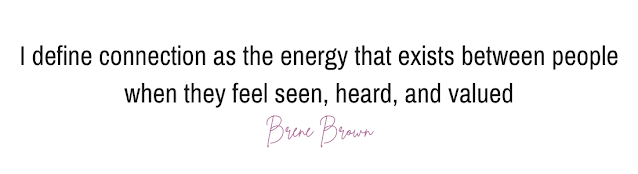
You've interviewed and hired your new teachers, and now you're thinking about how to "onboard" your new staff members so that they immediately feel like an important part of the school culture and family. Why is it important, and what are some ideas for how to do it successfully?Quote by Brene Brown

Reflection questions for leaders:

-Why do new connections need to be made as quickly as possible?

-How can I be intentional about building relationships at new teacher orientation/onboarding?

-What are some ways to make new teachers' first experiences at school very positive?

-How do I ensure that new teachers are seen, heard, and valued at orientation as well as through their first year?

-Who needs to be involved with the planning and implementation of new teacher onboarding?

-What opportunities can I create for new teachers to immediately contribute and share their strengths?

-How can we celebrate our new teachers?

-What will I do to get to know the new teachers well?

-How can we show we care for our new teachers?

Quote by Jennifer Hogan

New Teacher Onboarding/Orientation will look different at every school, because every school culture is different. There are some key elements that should in all of them. 

1) Celebration 

Create a special occasion for your new teachers. I wrote about how we had a "New Teacher Signing Day" at our school a few years ago. It was such a big hit, it has become a tradition!

Other ideas to celebrate your new teachers: 

-Provide lunch, complete with a special dessert

-Hang a welcome sign or banner on their classroom doors 

-Purchase "Welcome to _____ School" yard signs and place in each new teacher's yard 

-Put together a low-cost, cute basket of basic supplies from Target Dollar Spot, Dollar Tree, or a school supply store.

-Leave a note or card in his/her staff mailbox, etc.

2) Relationship Building

Not everyone enjoys ice breakers, but there are some that are not too painful and can be fun! Find activities that give new teachers an opportunity to share a little bit about themselves, their strengths, and experiences. 

Ideas for relationship building:

-I like to ask new teachers, "What drives your engine? What motivates you?"

-Taking a free and online strengths test is a good way to discover more about one's own strengths and each other's strengths.  

-Invite other staff members, such as mentors, department chairs, administrators, and/or counselors, to have lunch with the new teachers during orientation. Ask them to sit among the new teachers so that they will have an opportunity to chat and get to know each other.

3) Introduction to the school culture

     It's important for new employees to learn about and get a sense of the school's norms, both formal and informal. New employees should learn about the organization's core values and goals, as well as how team members are expected to contribute to the success of their students and the school in general. New employees need to know the chain of command and how leadership works with the different teams in the building. Take time to explain the why behind specific actions and policies, as well as the "non-negotiables."

Quote by Jennifer Hogan

Culture Resources: 


Culturize, by Jimmy Casas - This is a great book for a book study!


Brown, B. (2010). The gifts of imperfection: Let go of who you think you’re supposed to be and embrace who you are. Hazelden Foundation


Pin now, Share later >>


Tuesday, January 18, 2022

My One Word for 2022

I opened this draft before the end of 2021, went back to it on January 3, and now I'm finally putting down my thoughts about the new year. After weeks of trying to figure out why I've delayed writing this post, the only answer I could come up with is "write the darn post!" (Can you relate to delaying something for no logical reason??

I've been writing posts about choosing my words for the new year since 2014. It was in that year that I followed the lead of Chris Brogan and did away with New Year's Resolutions and instead chose 3 words to guide my life - professionally and personally. 

Since 2014, it's always been three words. Only once have I thought about only one word (and that was when Jon Gordon challenged me to choose 1 of my 3 words in 2014.) That is until now. 

In December 2021, I did my usual end-of-year routine where I review the year, my goals, my accomplishments, and my shortcomings. My three words for 2021 were Invest, Stretch, and Discipline. Those words served me well during the year, and while I didn't meet all of my goals during the year, new milestones were met and new experiences created that will continue to grow me into 2022.

Pin Now, Share later >>

This past year was a year of change for me. Early in 2021, I felt a pulling on my heart to retire in July. I had no idea what would be next, but I strongly felt like it was a step of faith that I was supposed to take. I retired from public education, started working for Hope Institute and Samford University, and was offered the opportunity to start in the doctoral program at Samford. Doors opened for me that I could have never imagined, and it was a humbling reminder to me that God's vision for us is always bigger than what we have for ourselves. 

I'm grateful for the process and reflection that goes into selecting words for the year. Asking questions such as "What has had the greatest impact and how can I do more to amplify that?" are part of my process when deciding how I want to enter the new year and create momentum.


"What has had the greatest impact 

and how can I do more to amplify that?"


After all the big changes in my life this year, I guess it should be no surprise that choosing my words for the new year would be different. When I started the process, I expected it to kind of go the same way it has year after year. However, this year everything filtered down to one word. And like Jon Gordon said back in 2014... it is the one meant for me.


conquer


Have you ever stopped short of reaching a goal because deep down it has to do with fear? (I have!) This word, conquer, speaks to my competitiveness and my desire to grow. I've spent much of my life learning about myself and others so that I can serve others and myself well. In that learning, I've discovered that there are some things I need to "unlearn." Some things that I hope I will conquer in 2022. Or at least begin the unraveling process.

I hope that by sharing my word I will be able to have the accountability that I need and also inspire you to delve into the reflective process and choose your own word(s) to live by in 2022. I realize that I haven't shared much about the specific things I hope to conquer, and I hope that one day I will be able to share more of that particular story. 

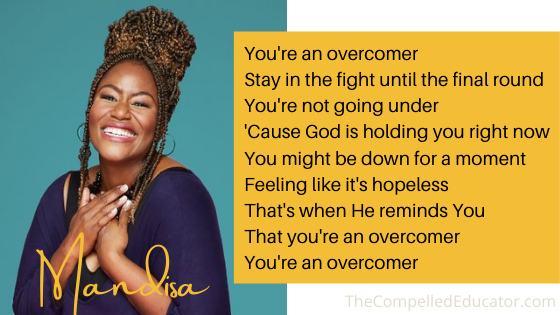
The song that I've chosen as my "anthem" for this year is Overcomer by Mandisa. Her message is powerful! (You can watch the video on Youtube HERE.)

Here's the chorus: 


I hope these words have inspired you to create and share your own words for 2022. If so, please share them in the comments or on Twitter or Facebook.

2014 - Discipline. Intentional. Balance.
2015 - Rhythm. Bravery. Fitness.
2016 - Focus. Purpose. Do.
2017 - Pivot. Go. Grow.
2018 - Lift. Create. Relentless. 
2019 - Practice. Execute. Be.
2020 - Consistent. Empower. Budget.
2021 - Invest. Stretch. Discipline.


Jennifer Hogan